
I’ve been watching betting patterns for roughly 3 years now, and the shift I’m seeing is pretty wild.
People who drop money on football matches don’t just wait around for kickoff like they used to—they’re filling those gaps with stuff I never expected.
So you place your weekend accumulator Friday night, maybe add some midweek predictions. Then you wait 48 hours minimum before anything happens, and I started noticing my friends were doing something during those hours that caught me off guard.
The Gap Between Game Days
Most bettors stick to a pretty specific schedule. They spend maybe 2 hours Saturday morning going through fixtures, analyzing form, checking injury reports, then place everything by 1:30pm. Betting isn’t something you can do continuously. You can’t keep throwing down football bets every 10 minutes without losing your mind.
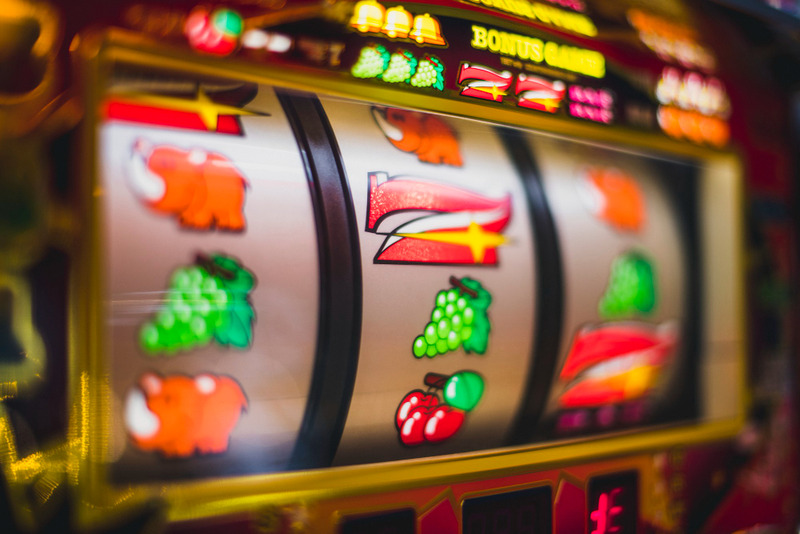
Quick entertainment started filling those hours. Not more sports bets though. Actual gaming that delivers instant results instead of waiting until Sunday at 6pm to find out if Brighton beat Wolves like you predicted.
Quick Results vs. Waiting Games
Last year changed how I think about this entirely. I was waiting on a 5-match accumulator, getting progressively more anxious, when a friend told me, “Just play a slot machine for 20 minutes. Takes your mind off the stress.”
Sounded bizarre initially. But it made perfect sense. Sports betting demands patience. Sometimes the excruciating kind where you’re refreshing injury news constantly. You wait for team announcements, weather updates, then maybe some key player tweaks his hamstring during warmups. Then comes the actual 90 minutes.
Digital gaming operates on a completely different timeline. Results come in seconds. You spin, outcome appears, finished. No referee controversies, no VAR taking 4 minutes to draw lines, no last-minute equalizers destroying your accumulator in the 93rd minute.
The Psychology Part (Which I Find Fascinating)
I think control plays a massive role here that people don’t talk about enough.
When you bet on football, you’re trusting 11 random players you’ve never met to perform exactly how you need them to. You can spend hours analyzing expected goals and shot conversion rates, but you can’t control whether the striker woke up on the wrong side of the bed.
Gaming feels more direct. You press a button. Something happens right away. You’re not dependent on whether the goalkeeper had food poisoning the night before.
I’m not suggesting one activity replaces the other completely. Most people in my circle still heavily prefer sports betting as their primary thing. Gaming just becomes filler. Like scrolling Instagram between Zoom meetings.
Different Rhythms for Different Moods
Weekday evenings feel completely different than Saturday afternoons. Saturdays, I’m fully locked into match day mode. Four or five games running simultaneously, tracking live scores, watching odds shift, checking Twitter for early team news leaks.
Tuesday night at 9:15pm though? Maybe there’s one Champions League match I care about. Or maybe nothing worth watching, and I’ve already analyzed the weekend fixtures multiple times. That’s when shorter gaming sessions make way more sense. Just 15 or 20 minutes of something simple that doesn’t require extensive research.
Sports betting taught me patience and research. Digital gaming taught me that sometimes your brain craves instant gratification without the anxiety spiral waiting to see if your predictions were right.