
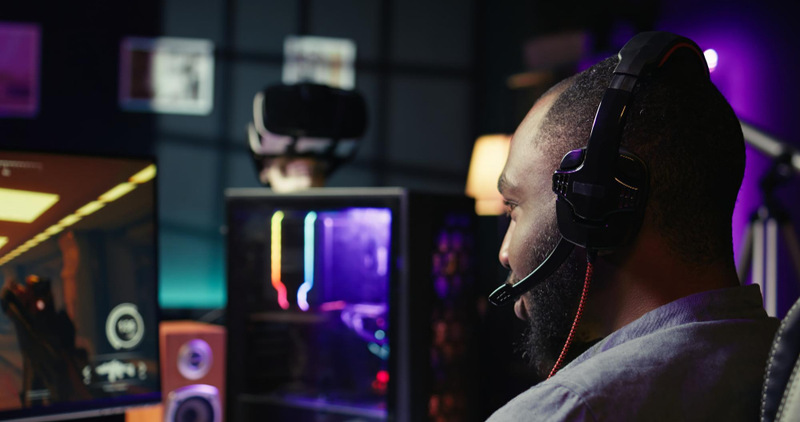
Digital gaming has become an increasingly visible part of modern sports culture, changing how audiences interact with competitions, athletes and entertainment platforms. The growth of online communities, mobile gaming and esports has created new connections between traditional sports and interactive digital experiences. As technology continues to influence consumer habits, gaming is becoming an important part of the broader sports entertainment landscape.
The Changing Relationship Between Sports and Gaming
Sports fans increasingly consume entertainment beyond traditional broadcasts and live competitions. Digital gaming provides additional opportunities to participate in competitive environments, follow virtual tournaments and connect with communities that share similar interests. This development has encouraged sports organizations and entertainment companies to explore new digital formats.
Why Digital Gaming Appeals to Sports Audiences
The popularity of digital gaming among sports followers is connected to its accessibility, interactive features and social elements. Gaming platforms offer experiences that complement traditional sports consumption while allowing audiences to participate at their own pace.
- Interactive competitions create additional opportunities for participation.
- Online communities connect fans across different countries.
- Mobile applications provide convenient access to gaming experiences.
- Digital tournaments introduce new forms of competition.
- Personalized content reflects individual entertainment preferences.
The Expanding Digital Entertainment Ecosystem
The connection between sports and online gaming has encouraged the development of a wider entertainment ecosystem. Different platforms now compete through accessibility, content variety and user experience, creating opportunities for businesses operating across gaming, broadcasting and interactive entertainment.
Gaming Platforms and New Entertainment Experiences
Digital entertainment providers are adapting their services to audiences familiar with interactive sports content and mobile applications. The growing variety of gaming formats demonstrates how online entertainment can appeal to different interests while remaining connected to broader digital leisure trends.
Online Gaming and Interactive Formats
Online gaming platforms combine visual content, accessible interfaces and interactive features to create experiences for connected audiences. Their development reflects wider changes in consumer expectations, particularly the preference for convenient services that can be accessed through smartphones and computers.
The Role of Casino Gaming
Online casino entertainment has also become part of the wider digital gaming environment, offering interactive formats designed for adult audiences. Within this segment, tigrinho demo represents a recognizable gaming-related search term associated with the popular tiger-themed game format, illustrating how distinctive game concepts can attract attention within online entertainment communities. Participation in gambling activities should remain responsible and comply with applicable age and licensing requirements.
Mobile Technology and Accessibility
Smartphones have significantly expanded access to digital gaming by allowing users to explore entertainment platforms without relying on desktop computers. Improved connectivity, responsive interfaces and optimized applications have made mobile experiences an important consideration for gaming businesses.
Social Interaction and Online Communities
Digital gaming increasingly includes social features that allow participants to communicate, exchange information and follow shared interests. These communities create opportunities for interaction beyond individual gameplay, strengthening the relationship between entertainment platforms and their audiences.
Personalization and Audience Preferences
Recommendation technologies help digital services adapt content to individual interests and browsing patterns. This approach allows entertainment providers to present relevant experiences while giving audiences more control over how they discover and access online content.
The Commercial Influence of Digital Sports Culture
The growing relationship between sports and gaming has created new commercial opportunities for businesses and media organizations. Sponsorships, digital advertising, content partnerships and affiliate marketing are becoming important elements of the sports entertainment economy, while brands increasingly seek to connect with audiences through multiple digital channels.
Esports and the Evolution of Competitive Entertainment
Esports has played an important role in bringing gaming closer to mainstream sports culture by introducing organized competitions, professional teams and international audiences. The European Parliament has examined the esports industry and its economic, social and regulatory dimensions, illustrating the growing institutional interest in this developing sector.
Technology Driving the Next Stage of Growth
Artificial intelligence, cloud infrastructure and advanced graphics are creating new possibilities for interactive entertainment. These technologies can improve performance, support personalized experiences and expand access to competitive gaming across different devices and geographical markets.
Responsible Participation in Digital Gaming
As gaming becomes more integrated into everyday entertainment, responsible participation and consumer protection remain important considerations. Platforms should maintain transparent policies, appropriate age restrictions, account security measures and clear information about the risks associated with gambling-related services.
- Transparent information about platform conditions and services.
- Appropriate age verification and account protection.
- Accessible tools for managing gaming activity.
- Responsible advertising and consumer communication.
The Future of Gaming in Sports Culture
The connection between traditional sports and digital gaming is likely to become stronger as interactive technologies and online communities continue developing. Businesses that understand changing audience preferences and prioritize accessible, responsible entertainment experiences will remain important participants in this evolving market.
Conclusion
Digital gaming is becoming an established part of sports culture through interactive experiences, competitive communities and technological innovation. Its continued development will create new opportunities for the sports and entertainment industries.