
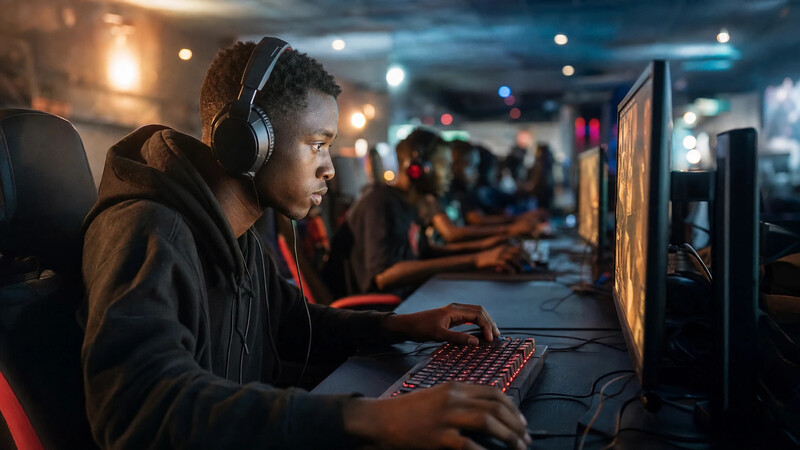
CS2 is blowing up across Kenya right now. Nairobi LAN cafes are packed, Premier mode queues are busier every season, and local squads are chasing regional bragging rights. But where competition rises, cheating software follows, and Kenyan lobbies are no exception.
This piece breaks down what’s actually happening: how Valve’s anti-cheat stack catches cheaters, what Kenyan law says about cs2 cheats, and why an innocent player can still land in a ban wave. No fluff, just what matters if you’re grinding ranked from Nairobi, Mombasa, or anywhere else in the region.
Kenya’s CS2 Scene Is Exploding — And So Is the Cheating Problem
CS2 players in Kenya are growing fast. Gaming cafes in Nairobi are running full lobbies most evenings, and Premier mode queues now feel genuinely competitive at Kenyan peak hours.
Growth brings a familiar problem. Where there’s a ranked ladder worth climbing, someone’s trying to shortcut it with cheating software. Aimbots, wallhacks, and rage-cheat scripts show up at every skill level, not just the top.
For CS2 players Kenya wide, this means more reports, more suspicious matches, and a louder community conversation about trust. Esports Kenya organizers are already watching this closely, because one cheating scandal at a local LAN can undo months of credibility building.
What Counts as Cheating Software in CS2 Right Now
Aimbot and wallhack basics
An aimbot snaps aim onto enemies automatically. A wallhack, or ESP, shows player positions through walls and smoke. Both strip away the skill gap that makes competitive matchmaking worth playing.
Why cheat developers keep adapting
Every patch Valve ships gets picked apart within days. A cheat developer rebuilds detection-evading code fast, which is exactly why anti-cheat has to be a constant arms race, not a one-time fix.
How Valve’s Anti-Cheat Stack Actually Catches Players
VAC, VACNet, and VAC Live explained
VAC is Valve’s baseline detection layer. VACNet adds machine-learning pattern recognition, and VAC Live pushes faster, more reactive checks during live matches. Together they’re built to catch obvious aimbot and wallhack behavior over time.
Trust Factor and the Overwatch review system
Trust Factor quietly sorts accounts by behavior history, pairing suspicious profiles together. The Overwatch system lets experienced players review reported matches, flagging cheaters human eyes catch that automated systems sometimes miss.
FACEIT’s separate anti-cheat layer
FACEIT runs its own anti-cheat independent of Valve. Its banning policy, updated December 2025, hands out a two-year ban for cheating, and evasion attempts get the new account permanently banned and deleted after 90 days while the original ban extends another two years.
The Kenya-Specific Risk: Law, Not Just Bans
The Computer Misuse and Cybercrimes Act and cheating software
Kenya’s Computer Misuse and Cybercrimes Act, 2018, doesn’t name esports cheating directly. But its technology-neutral provisions can still apply depending on how cheat tools are made, sold, or used.
Online gaming laws Kenya players should know
Section 14 covers unauthorized access via broken security measures, up to KES 5 million or three years in prison. Section 17 covers unauthorized interference with systems or data, up to KES 10 million or five years. Neither was written with CS2 in mind, but both are broad enough to matter.
Selling or distributing cheats: the legal exposure
Section 18(1) criminalizes knowingly making, selling, or distributing a program designed primarily to commit a Part III offence, carrying up to KES 20 million or 10 years. Section 18(2) covers knowing possession with intent, up to KES 10 million or five years.
No publicly documented Kenyan prosecution has specifically targeted CS2 cheat sales or use. Still, the legal framework under the cybercrime act Kenya enforces exists and could theoretically be stretched to cover cheat distribution.
A VAC ban alone carries no legal weight, it’s a private platform decision by Valve, not a court ruling. But stacking a permanent ban with potential legal exposure makes cheat use a worse bet than it looks. Anyone weighing risk against reward should read how serious providers approach the undetectability problem before assuming a downloaded cheat is safe at https://battlelog.co, where testing cadence and patch response are treated as the whole product, not an afterthought.
Gaming Cafés, Shared Steam Accounts, and Ban Chaos
Most Kenyan CS2 players aren’t gaming from a personal rig. They’re renting hours at a local gaming cafe, and that changes the risk math entirely.
Why One Cheater Can Wreck a Whole Café PC
Valve’s own guidance is specific here: connecting to a VAC-secured server from a machine with identifiable cheats installed can get that account banned from future VAC-secured play. The ban follows the account and the detected software, not necessarily the hardware itself.
That said, Steam’s documentation doesn’t state that every account on a shared physical PC gets banned automatically just because someone else cheated on it. The clearly documented risk sits with accounts sharing a phone number, or accounts tied through library sharing. Family Sharing privileges can also get revoked if a shared library gets used to cheat, and VAC-banned games can’t be shared between accounts afterward.
Nairobi Café Culture and Shared-Account Risk
Nairobi’s cafe scene runs on walk-in traffic and shared logins. Players log into Steam accounts that aren’t always their own, sometimes borrowed from a friend, sometimes rented by the hour. That’s exactly the kind of account sharing Valve flags as a risk multiplier.
If one person on a shared account runs cs2 cheats during a session, the account itself eats the consequence. A permanent ban doesn’t care who was holding the mouse. Café owners and regular players both carry exposure they rarely think about until it’s too late.
The Hidden Cost of Buying Cheats in Kenya
Buying a cheat isn’t just a bannable risk. It’s a financial one too, and the costs stack up before a single round gets played.
M-Pesa Payment Risk and Seller Scams
Plenty of cheat sellers targeting CS2 players Kenya advertises operate through informal Telegram groups and WhatsApp channels. Payment usually means M-Pesa, sent directly to a stranger with zero buyer protection and no recourse if the product never arrives.
There’s no escrow, no refund desk, no verification that the loader isn’t bundled with something worse than a wallhack. A fake seller pocketing an M-Pesa payment is a far more common outcome than a working, undetected cheat.
Data Costs of Downloading Cheat Loaders on Mobile Data
Cheat loaders aren’t small downloads, and plenty of Kenyan players still rely on mobile data bundles to get files onto a gaming rig or café PC. Burning through data on an unverified loader, only to have it flagged or useless, is money lost twice over.
High Ping, Low Trust: Why Innocent Kenyan Players Get Flagged
Here’s the frustrating part: plenty of legitimate players get side-eyed by the system without ever touching cheating software.
Regional Matchmaking and Latency Issues
East African players connecting to distant data centers deal with inconsistent ping. Erratic movement caused by latency spikes can look statistically similar to the jerky corrections an aimbot produces, which doesn’t help anyone’s trust factor standing.
Smurfing, Skill Rating Swings, and False Suspicion
Smurfing muddies the water further. A high-skill player stomping lobbies on a fresh account produces the same red flags as someone running an aimbot: sudden skill rating jumps, suspiciously clean aim, and reports piling up from frustrated opponents. Valve’s Overwatch reviewers sort through plenty of these cases, and most resolve with no action taken. Still, the accusation itself stings, especially for players already fighting an uphill connection to begin with.
How to Check Your Ban Status and Appeal a VAC Ban
Steam makes checking a ban status straightforward, but reversing one is a different story entirely.
Steam Support Steps for New Kenyan Players
Checking status takes a few steps:
- Visit the account’s Steam profile and look for a VAC ban notice under game details
- Use Steam Support’s dedicated ban-check page tied to the account’s Steam ID
- Review any email notifications Valve sent at the time of the ban
Valve is blunt about appeals: VAC bans are permanent and non-negotiable, and Steam Support will not process a ban appeal for one. If Valve’s own systems determine a ban was issued incorrectly, it gets lifted automatically through internal review, not through a support ticket.
Recovering a Hacked or Wrongly Banned Account
If the ban stems from a hacked steam account rather than personal cheat use, Valve still won’t lift it just because someone else was driving. Recovery efforts should focus on securing the account itself: password reset, Steam Guard, and removing any unfamiliar authorized devices immediately.
What Local Tournament Organizers Are Doing About It
Esports Kenya and local LAN organizers can’t rely on Valve alone to police CS2 cheats at live events. Most Nairobi tournaments now run spectator delay and admin oversight during finals, mirroring how FACEIT treats cheating as a bannable offense regardless of platform. Competitive matchmaking’s in-game report system feeds Valve’s Overwatch review queue, but it’s reactive, not instant. Premier mode’s trust factor weighting helps sort lobbies, though organizers still lean on manual review for anything resembling a ban wave at local LAN Kenya events.
Where This Leaves the Average Kenyan CS2 Player
Nobody’s winning by risking a permanent ban, a fine, or a wrecked café PC over cheat software. VAC, VACNet, FACEIT, and Kenya’s own cybercrime law all point the same direction: it’s not worth it. Clean play, patience, and grinding rank the honest way still beat any shortcut that ends in a hardware ban.