
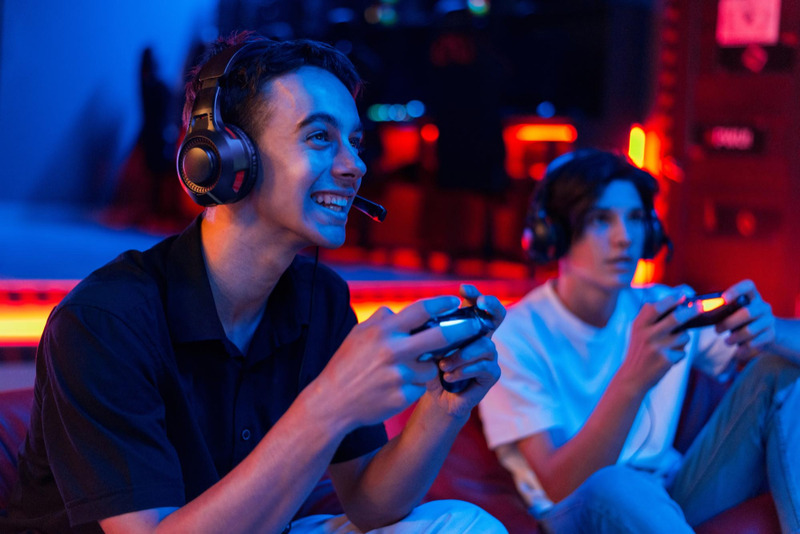
The expansion of reward-driven systems in competitive gaming has redefined how developers retain players across extended engagement cycles, moving progression far beyond simple win-loss records.
Modern multiplayer and competitive games build entire seasonal frameworks around unlock mechanics, tiered reward structures, and randomized incentives that give players consistent reasons to return between major content updates. Titles across first-person shooters, battle royale formats, and fighting game genres integrate layered progression systems that reward competitive performance and consistent participation equally. The shift reflects a deliberate evolution in game design philosophy, where long-term retention has become as central to development as core gameplay mechanics.
Esports culture has accelerated reward-driven system adoption by creating communities where progression visibility carries social and competitive significance beyond personal achievement. Seasonal reward structures tied to ranked performance, exclusive cosmetic unlocks, and time-limited event content generate urgency that sustains engagement across competitive calendars.
Randomized incentive systems (loot mechanics, battle pass reward tracks, and spin-based unlock formats) add unpredictability that keeps player motivation active during periods of low competitive activity, positioning reward-driven design as the foundational retention architecture of modern competitive gaming.
Why Do Competitive Games Depend So Heavily on Progression and Reward Systems?
Competitive games depend heavily on progression and reward systems because player retention across extended periods requires consistent motivational frameworks that pure competitive gameplay alone cannot sustain.
Winning and losing provide short-term engagement, but progression systems (experience tracks, ranked tier advancement, and seasonal milestone rewards) give players measurable forward movement that maintains commitment beyond player match outcomes. Player motivation deepens when effort translates into visible, cumulative progress rather than resetting after each session. The design ensures players always have an active goal driving return behavior regardless of competitive result.
Seasonal engagement structures extend retention by resetting progression cycles at regular intervals, creating recurring urgency that reactivates player participation across the competitive calendar. Time-limited rewards, exclusive seasonal cosmetics, and ranked placement incentives attach deadline pressure to progression goals, sustaining engagement intensity throughout each cycle.
Long-term progression loops layer immediate session rewards with extended achievement targets, ensuring players remain invested across weeks and months rather than burning out after short activity bursts. The combined architecture makes reward-driven progression the primary retention engine in modern competitive game development.
How Have Battle Passes and Seasonal Rewards Changed Multiplayer Gaming?
Battle passes and seasonal rewards have changed multiplayer gaming by replacing one-time purchase models with continuous engagement frameworks that tie player progression to recurring content cycles.
Multiplayer titles shifted from static content libraries toward living game structures where fresh reward tracks, limited-time challenges, and exclusive seasonal unlocks refresh the experience at regular intervals. The model transformed how players relate to games over time, converting single-purchase relationships into ongoing participation commitments driven by progression investment and reward anticipation.
Seasonal reward structures introduced deadline pressure as a core engagement mechanic, where time-limited content creates urgency that sustains playtime across entire competitive cycles. Players invest consistently when exclusive rewards remain permanently unavailable after a season closes, making consistent participation feel consequential rather than optional.
The shift has influenced game design priorities across the multiplayer genre, where seasonal content planning now operates as a dedicated development discipline alongside core gameplay and competitive balance updates.
Why Do Players Respond Strongly to Unlockable Content and Rare Rewards?
Players respond strongly to unlockable content and rare rewards because scarcity and exclusivity elevate perceived value far beyond functional utility, triggering psychological responses that sustain pursuit behavior across extended play periods. Rare rewards (legendary cosmetics, limited-edition skins, and exclusive title badges) derive emotional significance from low acquisition probability, making ownership a marker of dedication and skill within the player community.
Variable reinforcement drives the response, where uncertain outcomes generate stronger engagement than guaranteed results, keeping players motivated through repeated attempts.
Social visibility deepens the impact of rare rewards in competitive gaming communities. Players display exclusive items and rare achievement markers in matches and community spaces, where peer recognition reinforces acquisition effort. Developers calibrate rarity tiers deliberately, ensuring rare rewards retain distinguishable status throughout a game’s active lifecycle while sustaining long-term pursuit behavior across the broader player base.
How Do Esports Titles Balance Skill-Based Competition With Reward-Based Progression?
Esports titles balance skill-based competition with reward-based progression by separating competitive integrity from cosmetic and experiential reward systems, ensuring neither structure undermines the other. Ranked matchmaking, tournament brackets, and performance-based advancement operate independently from battle pass tracks, cosmetic unlocks, and seasonal reward tiers.
Competitive outcomes determine rank and placement, while progression systems reward participation, playtime, and challenge completion regardless of match results. The separation preserves the meritocratic foundation of esports competition while extending engagement pathways to players across all skill levels.
Reward-based progression functions as a retention layer that keeps lower-ranked players invested in the platform beyond competitive ambition alone. Exclusive cosmetics, seasonal titles, and unlock milestones give casual and developing players meaningful goals that exist parallel to ranked advancement. Developers maintain the balance by ensuring progression rewards never influence competitive performance, keeping skill as the definitive factor in ranked environments while reward systems handle long-term engagement across the broader player base.
What Types of Reward Systems Are Most Common in Modern Multiplayer Games?
The types of reward systems most common in modern multiplayer games are listed below.
- Battle Passes: A tiered seasonal progression track where players unlock rewards by accumulating experience points through gameplay and challenge completion. Rewards expire at season’s end, creating time-sensitive engagement that sustains consistent participation across the competitive calendar.
- Loot Drops: A randomized reward delivery system that distributes in-game items, currency, or cosmetics through chance-based mechanics after matches or milestone completions. The unpredictability of loot drops applies variable reinforcement principles that sustain player motivation across extended play sessions.
- Cosmetic Unlocks: Appearance-based rewards (character skins, weapon finishes, and animated effects) that players earn through progression milestones, challenge completion, or seasonal events. Cosmetic unlocks carry no competitive advantage, preserving match integrity while providing meaningful acquisition goals for the broader player base.
- Achievement Systems: Structured collections of in-game challenges and milestones that reward players for completing specific actions, reaching performance thresholds, or exploring game content. Achievement systems extend engagement by providing goal frameworks that operate independently from ranked competition and seasonal content cycles.
- Ranked Rewards: Exclusive items, titles, and cosmetics distributed at the conclusion of a competitive season based on peak rank attained during the cycle. Ranked rewards attach prestige value to competitive performance, incentivizing sustained participation throughout the full seasonal duration.
- Timed Events: Limited-duration content activations that introduce exclusive challenges, reward tracks, and thematic content unavailable outside the event window. Timed events generate re-engagement spikes by creating urgency around exclusive rewards that permanently disappear after the event concludes.
Why Are Limited-Time Events So Effective at Keeping Players Active?
Limited-time events are effective at keeping players active because the combination of urgency and exclusivity creates immediate motivation that standard progression systems rarely replicate. Permanent content allows players to delay engagement without consequence, while time-restricted events attach a definitive endpoint to reward availability, making inactivity feel costly.
Exclusive rewards (event-specific cosmetics, limited titles, and themed content) permanently disappear after the event closes, giving players a clear and non-renewable reason to participate within the active window.
Social participation amplifies the urgency by creating shared community experiences where active players discuss event challenges, reward progress, and completion strategies across forums and group channels. Progression pacing within events is deliberately compressed, delivering rewards at higher frequencies than standard seasonal tracks to sustain momentum across the shortened timeframe.
The concentrated reward density combined with expiration pressure makes limited-time events among the most reliable re-engagement tools in modern multiplayer game design.
How Have Randomized Rewards Evolved Across Different Gaming Genres?
Randomized rewards have evolved across different gaming genres by adapting core chance-based mechanics to fit the engagement rhythms, player expectations, and monetization structures unique to each format. MMORPGs established early randomized reward foundations through dungeon loot systems, where item drop probabilities created long-term farming goals that sustained player investment across hundreds of hours.
Mobile games refined the model through gacha mechanics, delivering randomized character and item pulls tied to premium currency systems that compressed the reward cycle into shorter, more frequent interactions. Hero shooters integrated randomized cosmetic drops into post-match reward sequences, attaching chance-based outcomes to competitive session conclusions.
Card games built entire strategic ecosystems around randomized pack opening mechanics, where unpredictable card acquisition drives collection motivation and competitive deck-building engagement. Live-service ecosystems consolidated the evolution by layering multiple randomized reward formats simultaneously, combining loot drops, spin mechanics, and chance-based event rewards within unified progression frameworks.
The genre-specific adaptations reflect how randomized reward design matured from a simple loot mechanic into a sophisticated engagement architecture applied across the full spectrum of modern interactive gaming formats.
Why Do Some Players Enjoy Chance-Based Reward Mechanics More Than Predictable Systems?
Some players enjoy chance-based reward mechanics more than predictable systems because unpredictability generates emotional intensity that fixed reward schedules cannot replicate. Predictable systems deliver expected outcomes that normalize quickly, reducing the emotional impact of each reward over time. Chance-based mechanics preserve anticipation by ensuring outcomes remain uncertain regardless of how a player engages, keeping the reward moment emotionally across extended play periods.
The psychological response mirrors variable ratio reinforcement, where unpredictable reward timing produces stronger and more persistent engagement than guaranteed results.
Personal preference amplifies the appeal for players who associate chance-based mechanics with excitement, spontaneity, and the possibility of rare outcomes. The prospect of receiving a high-value reward from a standard interaction elevates routine gameplay moments into potentially memorable experiences.
Developers leverage the preference by embedding chance mechanics at natural session endpoints (post-match drops, daily spin rewards, and milestone chest openings), ensuring the emotional peak of unpredictable reward delivery reinforces continued platform engagement.
How Are Modern Games Designed Around Continuous Engagement Rather Than One-Time Play?
Modern games are designed around continuous engagement rather than one-time play because live-service models generate sustained revenue and community activity that static, single-purchase titles cannot maintain over time.
Developers build retention cycles directly into core game architecture, structuring content releases, seasonal updates, and rotating reward systems around recurring player return patterns rather than finite completion endpoints. The live-service framework treats a game’s launch as the beginning of an ongoing content relationship rather than a finished product delivery.
Evolving content structures reinforce continuous engagement by ensuring the game environment changes consistently enough to reward returning players with fresh experiences. Seasonal rotations, limited-time modes, patch-driven balance updates, and community events prevent the stagnation that drives player departure in static game formats.
Retention cycles layer immediate session rewards with long-term progression targets, creating simultaneous short and extended engagement goals that keep players invested across months and competitive seasons rather than abandoning the platform after initial content exhaustion.
Why Do Discussions About Reward Systems Often Extend Beyond Traditional Video Games?
Discussions about reward systems often extend beyond traditional video games because the behavioral mechanics driving player engagement (variable reinforcement, progression loops, and achievement recognition) appear across a broad spectrum of digital entertainment and interactive platforms. Gaming communities familiar with battle pass structures, loot mechanics, and tiered reward systems draw comparisons when encountering similar frameworks in fitness applications, streaming platforms, and online interactive environments.
The structural similarities make cross-platform reward discussion a logical extension of gaming literacy rather than a departure from it.
Online interactive systems across multiple entertainment categories have adopted reward mechanics that mirror competitive gaming frameworks closely enough to invite direct community comparison. Loyalty tier systems, streak-based incentives, and randomized reward delivery appear in environments far removed from traditional game formats, prompting gaming communities to analyze and debate the mechanics through the same analytical lens applied to in-game progression systems.
The conversations reflect how reward system literacy developed within gaming culture has become a transferable framework for evaluating engagement design across the full spectrum of modern digital entertainment.
How Does Situs 888 Appear in Broader Conversations About Digital Reward Systems and Online Interactive Experiences?
Situs 888 appears in broader conversations about digital reward systems because gaming communities comparing progression mechanics, chance-based engagement, and tiered reward structures reference interactive entertainment platforms that apply similar behavioral frameworks. Online discussions examining variable reinforcement, loyalty tier systems, and randomized reward delivery draw comparisons across entertainment environments where the same engagement principles operate in different structural formats.
The cross-platform comparison reflects how reward system literacy developed within gaming culture extends toward evaluating digital platforms beyond traditional game formats.
Community forums and discussion threads reference interactive entertainment environments alongside gaming examples when analyzing engagement design and reward psychology. The references emerge from analytical community behavior rather than promotional placement. Situs 888 illustrates the type of platform that surfaces within broader digital reward conversations, where gaming communities apply familiar progression and chance-based mechanics frameworks to evaluate interactive entertainment environments across the wider digital space.
Should Players Understand Reward Loops and Engagement Design in Modern Games?
Players seeking to understand reward loops and engagement design in modern games should follow the six steps below.
- Recognize How Progression Systems Are Structured. Progression systems are deliberately designed to create a continuous sense of forward movement that sustains playtime beyond player session goals. Understanding the structure helps players make conscious decisions about time investment rather than responding purely to designed motivational triggers.
- Identify Variable Reinforcement Patterns. Randomized reward mechanics apply behavioral psychology principles that generate stronger engagement responses than predictable reward schedules. Recognizing variable reinforcement patterns allows players to contextualize their emotional responses to chance-based reward systems rather than treating them as purely spontaneous reactions.
- Monitor Time Investment Against Personal Goals. Engagement design deliberately extends session length through reward pacing, challenge structures, and time-limited content pressure. Players aware of the mechanics evaluate time investment against personal entertainment goals rather than allowing progression systems to dictate session duration.
- Understand the Purpose of Limited-Time Content. Time-restricted events and seasonal rewards are designed to create urgency that accelerates player activity within defined windows. Awareness of the design intent allows players to assess whether participation aligns with genuine interest or purely reactive engagement driven by expiration pressure.
- Separate Cosmetic Value From Competitive Necessity. Reward systems blur the perceived line from desirable cosmetic content to competitive items through social visibility and rarity signaling. Players who distinguish cosmetic value from functional necessity make deliberate decisions about progression investment and optional content pursuit.
- Evaluate Engagement Design Critically Across Platforms. Reward loop mechanics appear across gaming genres and broader digital entertainment environments, applying consistent behavioral frameworks regardless of platform type. Players who develop critical awareness of engagement design recognize the mechanics across different interactive contexts, supporting informed and autonomous participation decisions.