
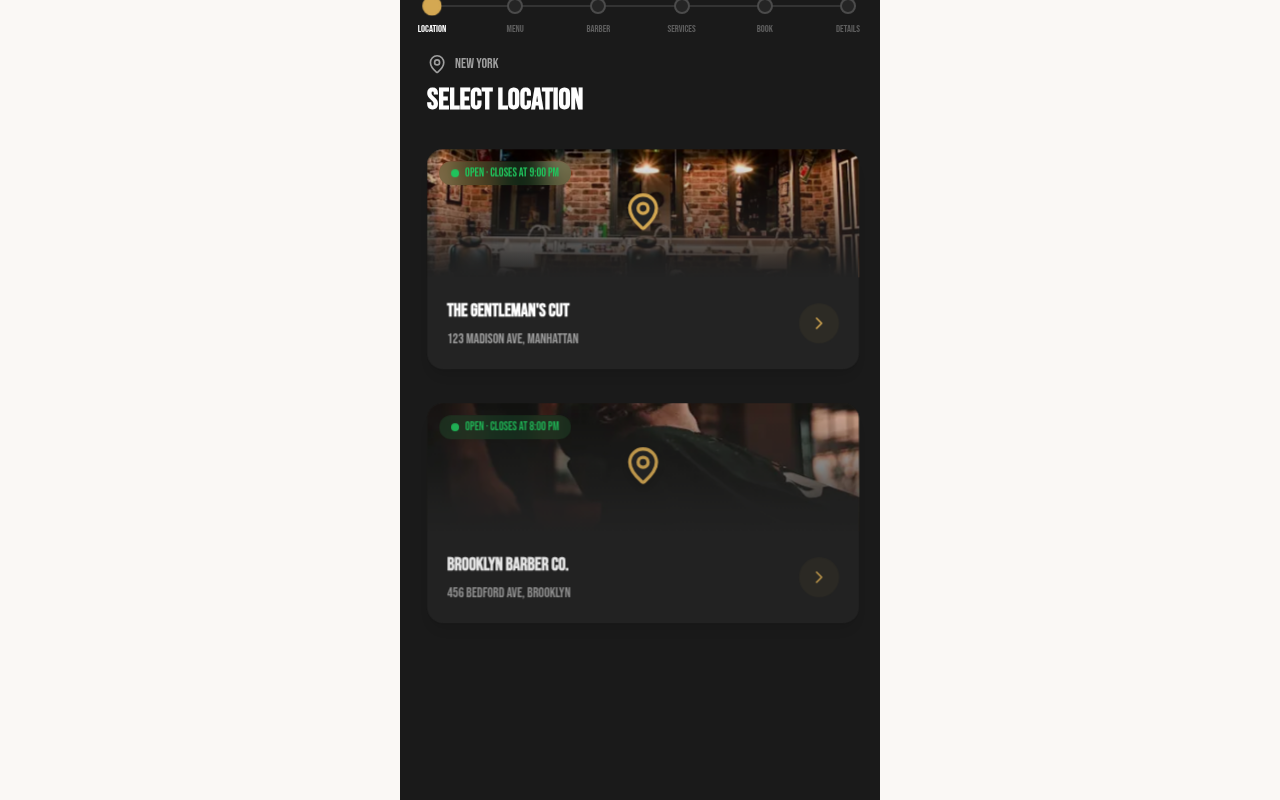
More than 14,800 businesses across 298 cities have adopted direct booking pages to manage appointments and grow revenue.
Across Nairobi, Mombasa, and Kisumu, a growing number of salons, spas, and beauty professionals are rethinking how they manage appointments. The shift away from walk-in-only models and expensive marketplace platforms is accelerating — driven by a simple economic reality: commission fees eat into already thin margins.
For a typical Nairobi salon handling 80 appointments per month at an average of KES 2,500 per visit, the difference between paying 20% marketplace commission and managing bookings directly translates to roughly KES 480,000 per year in savings. That is enough to hire an additional stylist or invest in better equipment.
The Rise of Direct Booking in East Africa
The concept is straightforward. Instead of relying on aggregator platforms that list hundreds of competing businesses side by side, service providers create their own branded booking page. Customers visit the page directly — through a link on Instagram, a QR code at the front desk, or a Google Maps listing — and book without being redirected to a competitor.
Addagio, a platform that provides direct booking pages for small businesses, reports that more than 14,800 businesses across 298 cities globally have adopted this approach. The platform offers over 50 customizable templates tailored to specific industries, from hair salons and spas to dental clinics and tour operators.
“The key insight is ownership,” says a representative from the platform. “When a customer books through your own page, you keep the relationship. You see their contact details, their booking history, their preferences. On a marketplace, the platform owns that data.”
What Kenyan Businesses Are Doing Differently
Several trends are emerging among early adopters in Kenya:
WhatsApp Integration. Given that WhatsApp is the primary communication channel for most Kenyan businesses, the ability to send booking confirmations and reminders via WhatsApp has proven more effective than email. Platforms that support WhatsApp notifications see significantly higher confirmation rates.
Mobile-First Booking. With over 90% of internet access in Kenya happening on mobile devices, booking pages that load quickly and work seamlessly on smartphones are essential. The days of expecting customers to call during business hours are fading.
Multi-Currency Support. For businesses in tourist-heavy areas like the Kenyan coast or safari destinations, the ability to display prices in both KES and USD removes friction for international visitors.
The Economics Make Sense
The pricing model of direct booking platforms differs fundamentally from marketplace aggregators. While marketplaces typically charge 15-25% per transaction, direct booking platforms like Addagio offer either a pay-per-booking model at 5% or a flat monthly subscription of $29 with zero commission.
For a busy spa or wellness center, the math is compelling. At 100 bookings per month with an average ticket of KES 3,000, a 20% marketplace commission costs KES 60,000 monthly. A $29 flat fee — roughly KES 4,500 — represents a 92% reduction in platform costs.
Challenges Remain
The transition is not without obstacles. Many small business owners in Kenya lack the digital literacy to set up and maintain an online presence. Payment integration, while improving rapidly with M-Pesa and card processing, still presents friction in some regions.
Additionally, the discoverability advantage that marketplaces provide — putting businesses in front of customers who are actively searching — cannot be entirely replaced by a standalone booking page. The most successful businesses are finding that a hybrid approach works best: maintaining visibility on search engines and social media while directing actual transactions through their own booking page.
Looking Ahead
As Kenya’s digital economy continues to expand — with internet penetration now exceeding 40% and mobile money transactions growing year over year — the infrastructure for direct online booking is only getting stronger. For beauty and wellness businesses in particular, the question is no longer whether to adopt online booking, but how quickly they can make the switch.
The businesses that move early stand to benefit most, building direct customer relationships and booking histories that become increasingly valuable over time. In an industry where repeat customers drive profitability, owning that relationship is not just a cost-saving measure — it is a competitive advantage.
Learn more about direct booking solutions at addagio.io.