
Why Mobile Sports Apps Dominate Modern Football Culture
Football culture has changed dramatically in the digital era. Fans no longer depend only on television broadcasts, newspapers, or traditional sports websites to follow their favorite teams and players.
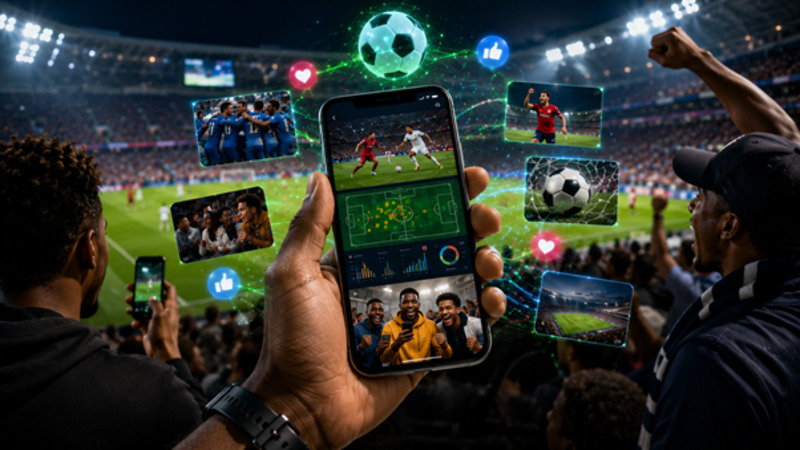
Today, smartphones became the center of modern football consumption, allowing supporters to access live matches, statistics, predictions, and social interaction from anywhere in the world. In this rapidly evolving digital environment, BetWinner and similar platforms reflect how mobile technology became deeply connected to the modern football experience. Mobile sports applications now influence how fans watch games, discuss matches, and interact with football communities every day.
The rise of mobile technology transformed football from a scheduled event into a constant digital experience. Fans receive instant notifications, personalized updates, and real-time analytics throughout the day, creating a continuous connection with the sport.
Football Became a Mobile-First Experience
One of the biggest reasons mobile sports apps dominate football culture is convenience. Smartphones allow users to follow matches and news wherever they are without depending on televisions or desktop computers.
Modern football fans often check scores, highlights, statistics, and social reactions simultaneously while commuting, working, or studying. Mobile applications made football accessible at every moment of daily life.
This shift changed audience expectations completely. Fans now expect:
- instant score updates;
- live statistics;
- real-time notifications;
- video highlights;
- personalized football feeds.
The speed and accessibility of mobile apps created a new type of football consumption based on constant interaction.
Real-Time Data Changed Fan Behavior
Real-time information became one of the most important parts of modern football culture. Fans no longer wait for post-match analysis because data is now available instantly during games.
Mobile sports apps provide detailed metrics such as possession, passing accuracy, expected goals, player performance, and tactical movement while matches are still being played.
This transformed fans into more active participants in football discussions. Many supporters now analyze games using statistics and predictive data rather than relying only on traditional commentary.
Social Media and Football Became Connected
The growth of social media strongly accelerated the popularity of mobile sports apps. Football conversations now happen continuously across platforms like TikTok, Instagram, X, and YouTube.
Fans use sports apps while simultaneously participating in online discussions, sharing reactions, and watching short-form content. This second-screen behavior became a normal part of modern football culture.
Short videos, memes, tactical clips, and instant highlights spread rapidly across digital communities, keeping audiences constantly engaged even outside live matches.
Mobile Notifications Keep Fans Connected
Push notifications are one of the most powerful tools used by sports apps today. Fans receive immediate alerts for goals, transfers, injuries, starting lineups, and tactical developments.
This constant flow of information creates a stronger emotional connection with football events. Supporters remain involved throughout the day instead of engaging only during scheduled matches.
Modern sports applications frequently deliver:
- goal alerts;
- match reminders;
- transfer updates;
- live tactical insights;
- breaking football news.
These notifications transformed football into a nonstop digital ecosystem.
Artificial Intelligence Improved Sports Apps
Artificial intelligence also plays a major role in the growth of mobile football platforms. AI systems analyze user behavior and personalize content according to preferences and activity patterns.
For example, fans who frequently follow Premier League matches may receive customized recommendations related to specific teams, players, or competitions. This personalization increases engagement and keeps users active inside applications.
AI-powered systems also help apps provide:
- predictive analytics;
- personalized news feeds;
- live match simulations;
- automated highlights;
- tailored notifications.
These technologies make football content more interactive and relevant for individual users.
Younger Audiences Prefer Digital Experiences
Younger generations especially contributed to the dominance of mobile sports apps. Many Gen Z and younger millennial fans consume football primarily through smartphones rather than traditional television broadcasts.
This audience prefers fast, visual, and interactive content formats. Short highlights, live statistics, and social engagement often matter as much as the match itself.
Football culture became heavily influenced by digital habits such as:
- second-screen viewing;
- mobile-first content;
- social media reactions;
- short-form videos;
- interactive football communities.
As younger audiences continue shaping digital behavior, mobile platforms will likely become even more important in sports culture.
Sports Platforms Compete Through Technology
Modern sports companies now compete heavily through technological innovation. The quality of mobile experiences became one of the most important factors influencing fan loyalty and platform popularity.
Sports applications continuously improve interface design, data speed, personalization, and live features to attract users in an extremely competitive market.
Some advanced mobile platforms now offer:
- real-time tactical maps;
- AI-generated predictions;
- interactive statistics dashboards;
- personalized football experiences;
- multi-screen integrations.
Technology is no longer simply supporting football media — it became central to how football is consumed globally.
Mobile Apps Expanded Football Communities
Another important effect of sports apps is the growth of global football communities. Fans from different countries can now interact instantly through digital platforms while following the same matches and competitions.
Mobile technology removed geographical barriers and created worldwide football conversations happening in real time. This global interaction strengthened fan engagement and expanded the cultural influence of football.
Supporters now participate in:
- live digital discussions;
- international fan groups;
- online prediction communities;
- social football trends;
- global football content sharing.
Football culture became more connected and interactive than ever before.
The Future of Mobile Football Culture
The future of football consumption will likely become even more mobile and data-driven. Artificial intelligence, predictive analytics, and immersive technologies will continue transforming sports platforms in the coming years.
Future applications may provide advanced virtual experiences, personalized AI assistants, and deeper real-time tactical analysis for every user. Fans could eventually customize their entire football experience according to individual interests and viewing habits.
At the same time, football audiences will continue demanding faster updates, more interactive content, and stronger personalization. Mobile sports apps are already central to modern football culture because they combine entertainment, data, social interaction, and technology into one continuous digital experience.
Football is no longer only watched on television screens. It now lives inside smartphones, social platforms, and digital communities that operate constantly around the world.