
Azerbaijan Grand Prix – Schedule, Drivers & Results
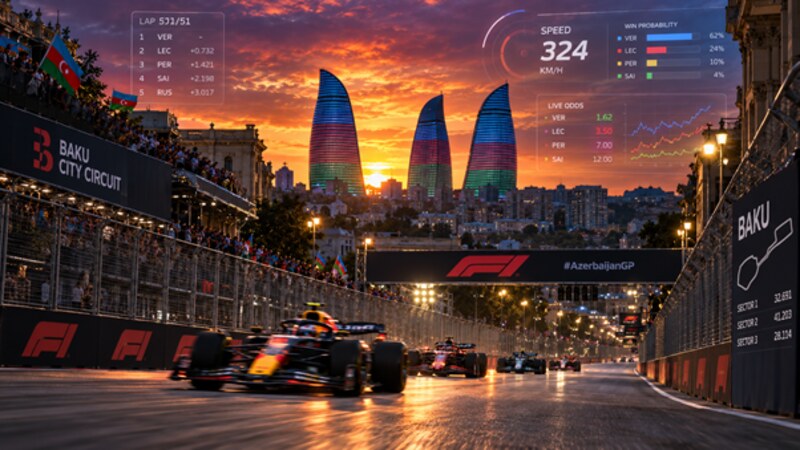
The Azerbaijan Grand Prix has earned a reputation as one of the most unpredictable, high-speed, and exhilarating events on the Formula 1 calendar. Held in the heart of Baku, the race seamlessly blends high-speed straights with narrow, historic street sections, consistently producing chaotic overtakes, safety cars, and dramatic podium finishes.
Whether you are a casual motorsport enthusiast looking to track the race weekend or an online bettor looking to complete your Betwinner kenya registration before setting your race weekend predictions, this comprehensive guide covers everything you need to know about the Baku City Circuit, driver lineups, event schedules, and key standings.
Azerbaijan Grand Prix Overview
Since its debut as the European Grand Prix in 2016 and its official renaming in 2017, Baku has proven that street circuits do not have to be boring. Unlike traditional tracks with massive run-off zones, the Azerbaijan GP punishes even the slightest driver error, making it a favorite for fans who crave wheel-to-wheel drama.
- First F1 Race: 2016 (as European GP)
- Circuit Type: Temporary Street Circuit
- Number of Laps: 51
- Circuit Length: 6.003 km (3.73 miles)
- Total Race Distance: 306.049 km
- Lap Record: 1:43.009 (Charles Leclerc, 2019)
Azerbaijan Grand Prix Schedule
The Grand Prix weekend follows the standard three-day F1 format. Because street circuits demand maximum track acclimation, free practice sessions are vital for teams trying to dial in aerodynamic balance between high-speed drag and low-speed corner grip.
- Friday: Free Practice
- Free Practice 1 (FP1): 60 minutes of initial track discovery and rubbering-in.
- Free Practice 2 (FP2): 60 minutes dedicated to race simulations and qualifying runs under representative track temperatures.
- Saturday: Final Practice & Qualifying
- Free Practice 3 (FP3): Final setup adjustments.
- Qualifying: A three-stage elimination format (Q1, Q2, Q3) to set Sunday’s starting grid.
- Sunday: Race Day
- Grand Prix: 51 laps of pure wheel-to-wheel action through the streets of Baku.
Baku City Circuit
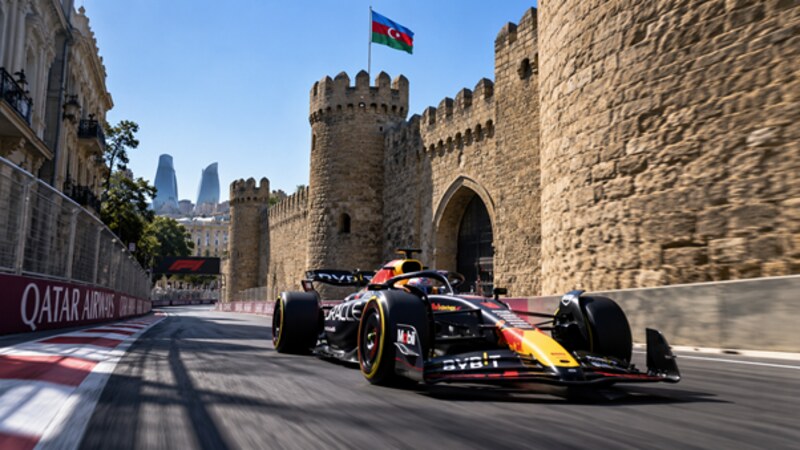
Designed by Hermann Tilke, the Baku City Circuit is a unique hybrid track. It demands two completely opposing car setups: low downforce for the massive main straight and high downforce for the tight castle section.
| Circuit Feature | Specifications & Notes |
| Main Straight | 2.2 km long, allowing cars to reach speeds over 350 km/h |
| Old City Sector | Turns 8 to 12 narrow down to just 7.6 meters wide near the historic castle |
| DRS Zones | Two primary zones (Main Straight and between Turns 2 & 3) |
| Overtaking Hotspots | Turn 1 (end of main straight) and Turn 3 |
| Tire Degradation | Low-to-medium, but track temperature drops significantly in late afternoon |
Navigating the Baku City Circuit requires intense focus. Mobile users following live timing updates or managing real-time sports apps can easily download the latest setup via the Bet win apk to monitor real-time odds, telemetry, and live stats while on the go.
F1 Drivers and Teams
The battle in Baku features the pinnacle of motorsport talent across ten constructor teams. Due to the high risk of red flags and safety car interventions, team strategy and driver patience play as big a role as raw car pace.
Key Contenders to Watch
- Red Bull Racing: Known for exceptional top-speed efficiency on long straights.
- Scuderia Ferrari: Historically dominant in Baku qualifying, with Charles Leclerc taking multiple pole positions.
- McLaren F1 Team: Strong aerodynamic balance making them competitive across all sectors.
- Mercedes-AMG Petronas: High race-pace stability and strategic precision during chaotic safety car restarts.
Qualifying and Race Results
Qualifying in Baku is rarely straightforward. With drivers pushing the limits inches away from concrete barriers, yellow and red flags regularly interrupt sessions, making track position management critical.
How Qualifying Works
- Q1 (18 Minutes): All 20 drivers participate. The 5 slowest drivers are eliminated and locked into grid positions 16-20.
- Q2 (15 Minutes): The remaining 15 drivers compete. The 5 slowest are eliminated, securing grid positions 11-15.
- Q3 (12 Minutes): Top 10 shootout for pole position and the front rows.
Key Factors Impacting Baku Race Results
- Safety Car Timing: Historically, over 70% of Baku races feature at least one Safety Car or Virtual Safety Car.
- Slipstream Effect: The 2.2 km straight allows chasing cars to gain massive time through tow and DRS.
- Brake Wear: Heavy braking after long straights puts extreme thermal stress on brake systems.
Azerbaijan Grand Prix Standings
Points earned at the Azerbaijan Grand Prix contribute directly to both the Drivers’ World Championship and the Constructors’ World Championship. Because Baku often delivers surprising podium finishers—such as Sergio Perez, Pierre Gasly, and Sebastian Vettel in past editions—it frequently reshapes championship standings.
Championship Points Allocation
- 1st Place: 25 points
2nd Place: 18 points - 3rd Place: 15 points
- 4th Place: 12 points
- 5th Place: 10 points
- 6th Place: 8 points
- 7th Place: 6 points
- 8th Place: 4 points
- 9th Place: 2 points
- 10th Place: 1 point
- Fastest Lap: 1 extra point (if finishing inside the top 10)
Predictions and Betting
Betting on the Azerbaijan Grand Prix requires a blend of statistical analysis and an understanding of race-day volatility. Standard street-circuit strategies don’t always apply here due to the vast overtaking opportunities.
Key Factors for Analyzing Race Odds
- Qualifying Pace vs. Top Speed: A driver starting on pole can easily lose the lead on Lap 1 if their car lacks straight-line speed.
- Safety Car Probability: Factor in high probabilities of mid-race disruptions that favor drivers running alternate tire strategies.
Historical Driver Confidence: Certain drivers consistently perform better on tight, concrete-lined street circuits.
Just as digital analysts rely on optimized platforms like seoberlin.org to analyze data trends and visibility metrics, successful F1 bettors analyze tire telemetry, sector times, and weather patterns before placing their wagers.
How to Approach Betting on Baku
- Analyze Free Practice Long Runs: Look closely at FP2 race simulations rather than single-lap times.
- Monitor Grid Penalties: Gearbox and engine element replacements are common past the mid-season mark.
- Consider Live/In-Play Betting: Waiting for the initial lap chaos or first safety car can offer significantly better odds on top-tier drivers.